How to seal gaps around pipes to keep mice out
Mice squeeze through gaps as small as a dime. Here's how to seal pipe entry points in your Lima home using the right materials and methods.
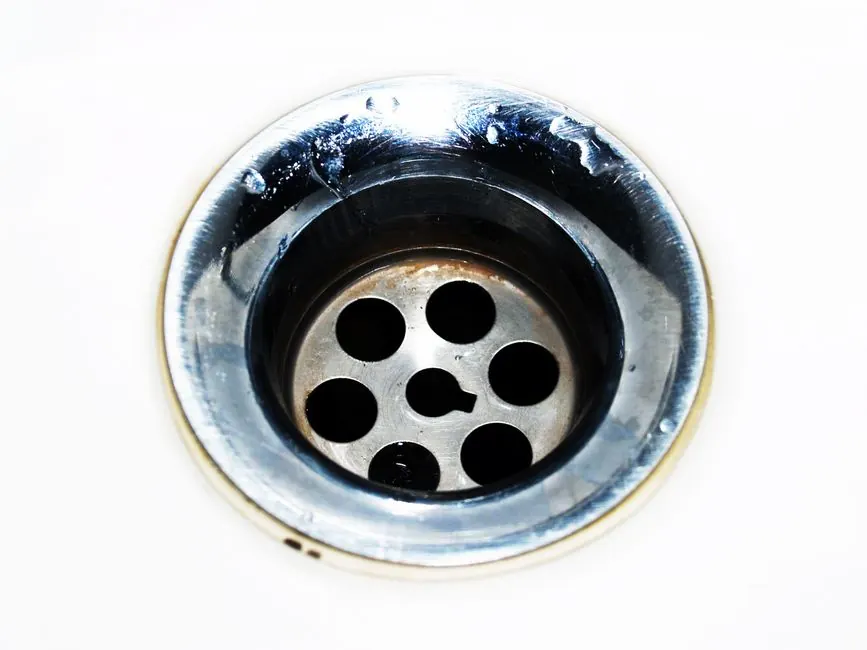
Sealing gaps around pipes to keep mice out means filling every opening larger than a quarter-inch with a mouse-proof material like copper mesh, steel wool, or concrete. Mice can squeeze through gaps as small as a dime, so even a tiny space around a pipe is an open door. In Lima, Ohio, where many homes have older plumbing and foundation penetrations, this is one of the most overlooked entry points. This guide walks you through the materials, the step-by-step process, and the mistakes that let mice back in.
Why pipe gaps are a top entry point for mice in Lima
Pipe gaps are a top entry point for mice in Lima because they connect directly to wall voids, crawl spaces, and basements - all places mice love to nest. A mouse can squeeze through a hole the size of a dime, and most plumbing penetrations leave a gap much larger than that. In older Lima neighborhoods like South End or near the university, we see original galvanized pipes with rusted-out openings that have never been sealed.
Mice follow warmth and food. A pipe that enters your home from the outside creates a warm tunnel in winter and a cool one in summer. Once inside, they travel along the pipe into your kitchen or bathroom. That's why Mice Control Lima OH starts with a thorough inspection of every pipe entry point. If you skip this step, you're just treating symptoms while the door stays open.
What to use to seal gaps around pipes for mice
The best material to seal pipe gaps for mice in Lima OH is a combination of copper mesh and an expanding sealant, because mice can chew through foam alone. Here's what works and what doesn't.
Materials that work
- Copper mesh - mice hate the taste and can't chew through it. Pack it tightly around the pipe.
- Steel wool - effective, but it rusts over time. Use it only in dry areas.
- Concrete patch - for foundation penetrations. Mix it to a thick consistency and pack it in.
- Mortar or hydraulic cement - best for gaps around pipes entering through brick or block.
- Expanding foam (pest-resistant) - use it as a backer, not the sole barrier. Mice can chew through regular foam.
Materials that fail
- Spray foam alone - mice chew right through it.
- Caulk - too soft; they'll dig it out.
- Duct tape - a temporary fix at best.
- Plastic mesh - they'll gnaw through it.
If you're not sure which material fits your situation, a Rodent Inspection Lima OH can pinpoint every gap and recommend the right fix. We see dozens of homes each year where a previous DIY job failed because the wrong material was used.
Step-by-step: how to seal gaps around pipes to keep mice out
Sealing gaps around pipes to keep mice out is a straightforward job you can do in an afternoon, but the details matter. Follow these steps for each pipe penetration.
- Clean the area. Remove dirt, grease, and old sealant. Mice won't chew through a clean, tight seal.
- Inspect the gap. Measure the width. If it's wider than a quarter-inch, you'll need a backer material.
- Pack copper mesh. Cut a piece of copper mesh large enough to fill the gap. Push it in with a screwdriver or putty knife. It should be tight enough that you can't pull it out with your fingers.
- Apply sealant. Cover the mesh with a pest-resistant expanding foam or concrete patch. Smooth it flush with the wall or floor.
- Check the other side. If the pipe goes through an exterior wall, seal from the outside too. Mice often enter from the exterior gap.
- Test it. After the sealant cures, try to push a pencil through. If it goes through, the gap isn't sealed.
For pipes under sinks, use a flexible sealant that can handle slight movement. For foundation penetrations, concrete is your best bet. If you're dealing with a crawl space, our Crawl Space Mice Control Lima OH service includes sealing all pipe entries as part of the job.
Common mistakes to avoid when mouse proofing pipes
The most common mistake we see is using spray foam alone. Mice chew through it in a single night. Another is sealing only the inside gap and ignoring the exterior. Mice often enter from the outside, so both sides need attention.
Don't forget about pipes that run through cabinets or behind appliances. We've pulled mice out of the gap behind a dishwasher more times than we can count. Also, avoid using materials that will crack in cold weather. Lima winters get down to single digits, and cheap caulk will fail. Finally, don't seal a gap if you suspect an active infestation - you'll trap mice inside. Call a pro to remove them first.
How to mouse proof pipes in different areas of your home
Different areas need different approaches. Here's how to handle the most common spots.
Under kitchen and bathroom sinks
These are high-traffic areas for mice because of food and moisture. Use copper mesh plus a bead of pest-resistant sealant. Check the cabinet floor for droppings - if you see them, you likely have an active problem.
Basement and foundation walls
Pipes entering through concrete or block need hydraulic cement. Chip away any loose material, pack the gap with copper mesh, then apply cement. For homes in Lima's older neighborhoods, this is often the main entry point.
Attic and crawl space
Pipes running through the attic or crawl space are often overlooked. Seal them with copper mesh and foam. If you have insulation, pull it back to inspect the gap. For serious infestations, Attic Mice Removal Lima OH includes sealing all accessible pipe entries.
Exterior walls
From the outside, seal around pipes with a exterior-grade sealant and copper mesh. Check for gaps around dryer vents, AC lines, and hose bibs. These are just as inviting as indoor pipes.
When to call a professional for rodent exclusion in Lima
If you've sealed every gap you can find and still hear scratching, or if you've seen mice during the day, it's time to call a professional. We handle Rodent Proofing Lima OH for homeowners across Allen County, and we know the specific challenges of older Lima homes - from original clay sewer lines to unsealed basement penetrations.
Our team starts with a full inspection, seals every entry point with commercial-grade materials, and then sets traps to catch any mice still inside. We don't just seal and leave; we make sure the problem is solved. If you're dealing with a recurring issue, we can also identify and fix damaged pipes that mice are using as highways.
Frequently Asked Questions
What to use to seal gaps around pipes for mice in Lima?
Use copper mesh packed tightly into the gap, then cover it with pest-resistant expanding foam or concrete patch. Copper mesh is the key - mice can't chew through it. For exterior gaps, use hydraulic cement. Avoid spray foam alone; mice chew right through it.
Can mice squeeze through pipe gaps in Lima OH?
Yes. Mice can squeeze through gaps as small as a quarter-inch - about the width of a pencil. A typical pipe penetration leaves a gap larger than that, so sealing is essential. In Lima's older homes, we often find gaps up to an inch wide around original plumbing.
How to mouse proof pipes in Lima?
Start by inspecting every pipe where it enters your home. Clean the gap, pack it with copper mesh, and seal with foam or concrete. Check both inside and outside. For foundation pipes, use hydraulic cement. If you're unsure, a professional inspection can map every entry point.
Does sealing pipes keep mice out in Lima Ohio?
Sealing pipes is one of the most effective ways to keep mice out, but it only works if you seal every gap. Mice can find other entry points like foundation cracks or vents. Combine pipe sealing with a full exclusion plan for best results. Most homes need 2-3 hours of sealing work.
Get help with Mice Control in Lima
If you'd rather not crawl under the sink or into the crawl space, our team at Ohio Mouse Removal Experts is ready to help. We seal gaps around pipes and every other entry point, then remove the mice that are already inside. Call us at +14192636172 to schedule your inspection.