Scratching and scurrying at night
We locate the active cavity, set traps along the runways, and confirm the noise has stopped before sealing. Most customers hear silence within 24 to 48 hours of the first trap placement.
Wall Mice Removal Lima OH clears the scratching, the droppings and the smell from the spaces behind your drywall. We handle residential and commercial jobs across Allen County, from a single kitchen wall to a full attic run. Mice breed fast in fall, so the sooner we cut off their entry points, the cheaper the fix. Call +14192636172 for a same-day look.

Wall Mice Removal Lima OH is the process of finding mice living inside wall cavities, removing them, and sealing the gaps they used to get in. Mice squeeze through openings the width of a pencil, so a dime-sized hole behind a cabinet or a gap around a pipe is an open door. We run an inspection with mirrors and flashlights, place snap traps and bait stations inside the void, then close every entry point with copper mesh, steel wool and expanding foam. The work usually takes two to four hours for a standard wall run.
Lima's older housing stock is the main reason we get called. Homes built before 1960 in the 45801 and 45805 ZIP codes often have balloon-frame walls with open stud bays that run from the basement to the attic, which gives mice a private highway. Add a cold Ohio winter and they move indoors fast. If you have heard scratching at night or found droppings under the sink, that is your cue to book professional Wall Mice Removal Lima before the colony grows.
Our standard wall job covers inspection, trapping, exclusion and cleanup in one plan. Add-ons like insulation replacement or extensive drywall repair are quoted separately after we see the damage. Here is what you get on a typical visit.
We check every accessible wall void with inspection mirrors and flashlights, plus a UV blacklight scan for droppings and urine trails. You get a written summary of active cavities and entry points. This step takes 30 to 45 minutes and drives everything that follows.
Snap traps, glue boards and bait stations go inside the cavity along the runways mice actually use. We check them on a set schedule until activity stops. You never handle a trap or a carcass, and we dispose of everything properly.
Every gap we find gets packed with copper mesh and steel wool, then sealed with caulk or expanding foam. This includes pipe penetrations, vent gaps and the spaces around utility lines. Sealing is what turns a removal into a permanent fix.
We remove droppings, nesting material and contaminated debris from the affected area. Surfaces get treated with professional-grade sanitizer. This matters most in kitchens and food storage areas where bacteria from mouse waste is a real health concern.
Any small access points we cut for trapping get patched with drywall and finished with wood filler. Most patches are paint-ready within a day. You are not left with open holes in your wall after we leave.
You call +14192636172 and describe what you are hearing and where. We ask about scratching sounds, droppings, and how long it has been going on. Most callers get a same-day Wall Mice Removal Lima Ohio appointment, and we give you a price range before we hang up.
A licensed technician walks the interior and exterior with inspection mirrors, flashlights and a UV blacklight. We check the kitchen, attic, crawl space and every penetration point around pipes and vents. This step takes 30 to 45 minutes and tells us exactly which wall cavities are active.
We cut small access points where needed and place snap traps, live catch traps and bait stations inside the void. Traps get checked on a set schedule until activity stops, usually two to four visits. You do not have to touch a trap or a dead mouse at any point.
Once the cavity is clear, we seal it. Copper mesh, steel wool, hardware cloth and silicone sealant go into every gap we found. This is the step that keeps mice in walls Lima Ohio from becoming a yearly problem, and it is why our callbacks are rare.
We remove droppings, treat affected surfaces, and replace soiled insulation where needed. A final walkthrough confirms no new activity and no open entry points. You get a written summary of what we did and what to watch for over the next 30 days.
Purpose-built equipment, used by trained technicians — so the job is done accurately the first time.
Placed along interior runways inside wall cavities. These are the fastest way to end active mouse traffic, and we check them on a fixed schedule until activity stops.
Used in tight voids where a snap trap will not fit. They also catch insects and confirm whether a cavity is still active after trapping.
Tamper-resistant housings for rodenticide where code allows. We favor these brands for durability and secure locking, which matters in homes with pets or children.
Packed into gaps around pipes, vents and utility lines. Mice cannot chew through either material, which is why we use them instead of foam alone.
Used to see into wall voids and behind appliances without cutting large openings. This is how we find entry points that are invisible from the room.
Reveals urine trails and droppings that are invisible under normal light. It tells us exactly which runways mice are using inside a wall.
Seals the gaps after mesh is packed in. We use exterior-rated sealants so the repair holds through Ohio's freeze-thaw cycles.
A homeowner in Cercado de Lima heard scratching every night for three weeks. Store-bought traps on the floor caught nothing because the mice were living inside the wall cavity, not on the carpet.
We cut one small access point, set snap traps along the interior runway, and caught four mice over five days. The cavity was sealed with copper mesh and the access hole was patched and paint-ready.
A San Miguel restaurant had mice behind the kitchen wall line two weeks before an inspection. Droppings were found in a dry storage area and the owner needed documentation for the health department.
We worked after closing, installed tamper-resistant bait stations per Ohio code, sealed the wall penetration, and cleaned the storage area. The inspection passed with no rodent findings and a full treatment record on file.
A family in Surquillo had a strong smell in their hallway for over a week. They could not find the source and had started avoiding that side of the house. The odor was coming from inside the wall.
We located the carcass with inspection mirrors, removed it, and treated the cavity. The soiled insulation was replaced and the wall was sealed. The odor was gone within 24 hours and has not returned.
Mice in walls cause more than noise. They chew, contaminate and leave odors that outlast the animals themselves. Here are the issues Lima homeowners call us about most often, and how we handle each one.
Ask a pro →We locate the active cavity, set traps along the runways, and confirm the noise has stopped before sealing. Most customers hear silence within 24 to 48 hours of the first trap placement.
We track the odor to its source using inspection mirrors and experience, remove the carcass, and treat the cavity with professional deodorizing products. Odor is usually gone within a day of removal.
We clean and disinfect affected surfaces, remove contaminated material, and seal the gaps that let mice reach your cabinets. Kitchen mice control pairs with wall work so the source is handled, not just the symptom.
We document damage with photos, replace soiled insulation batts, and flag any wiring concerns for a licensed electrician. You get a clear record of what was damaged and what was fixed.
$250 - $650 for standard residential; commercial quoted after inspection
Typical 2026 pricing for Wall Mice Removal Lima OH runs $250 to $650 for a standard residential job. Single-wall trapping sits at the low end. Jobs that include attic or crawl space work, insulation replacement or extensive exclusion sealing sit higher. Commercial kitchens price separately because of documentation and after-hours requirements. We give you a range on the phone and a firm number after the inspection, so there are no surprises halfway through the job.
You are paying for a sealed building, not just a few traps. Trap-only treatments cost less upfront and get repeated every year. Our exclusion work ends the cycle, which is cheaper over three or four seasons.
One wall cavity is a straightforward job. Three or four active runs take more traps, more visits and more sealing work. This is the single biggest driver of price on most residential calls.
Walls behind finished cabinetry, tile or appliances take longer to access and repair. We tell you upfront when a job will need extra patching work so you can plan for it.
Sealing one entry point is quick. Sealing a full building envelope with copper mesh, hardware cloth and exterior sealant takes more time and material. It is also what prevents the problem from coming back.
If mice have ruined insulation batts, replacement adds to the cost. Contaminated material has to be removed and disposed of properly, and fresh insulation installed to restore R-value.
“We heard scratching in the bedroom wall for two weeks before calling. The technician found the entry point behind the kitchen cabinet in about twenty minutes and had traps set the same visit. The noise stopped in two days. They sealed everything with copper mesh and patched the access hole before they left. Worth every dollar.”
Marisol R.Homeowner, Cercado de Lima
✓ Verified“Health inspection was coming up and we had mice behind the kitchen wall line. They worked after closing, kept everything documented, and finished the exclusion work in one night. The inspector found no issues. I have used them twice since for monitoring and the report is always clean.”
Daniel P.Restaurant Owner, San Miguel
✓ Verified“The smell in our hallway was awful and we could not find where it was coming from. They located a dead mouse inside the wall cavity, removed it, and treated the space. The odor was gone in a day. They also replaced the insulation that had been ruined and showed me photos of everything.”
Carmen V.Homeowner, Surquillo
✓ VerifiedMost residential jobs run $250 to $650 in 2026, depending on how many wall cavities are active and how much exclusion work is needed. Simple single-wall trapping sits at the low end; full attic and crawl space jobs with insulation replacement sit higher. Commercial kitchens and restaurants price separately because of code requirements.
We cut a small access point, place snap traps and bait stations inside the cavity along the runways mice use, and check them every few days until activity stops. Then we seal the entry points with copper mesh and steel wool. The whole process usually takes two to four visits over one to two weeks.
Yes. We patch access holes with drywall and wood filler, replace soiled insulation, and treat the cavity before closing it up. Most patches are paint-ready within a day. If the damage is extensive, we tell you what a drywall contractor would need to handle and what we can finish ourselves.
The initial inspection and trap setup take two to four hours. Full clearance typically runs one to two weeks, since traps need checking over several visits. Exclusion and cleanup add another half day. You will hear the scratching stop within 24 to 48 hours of the first trap placement in most cases.
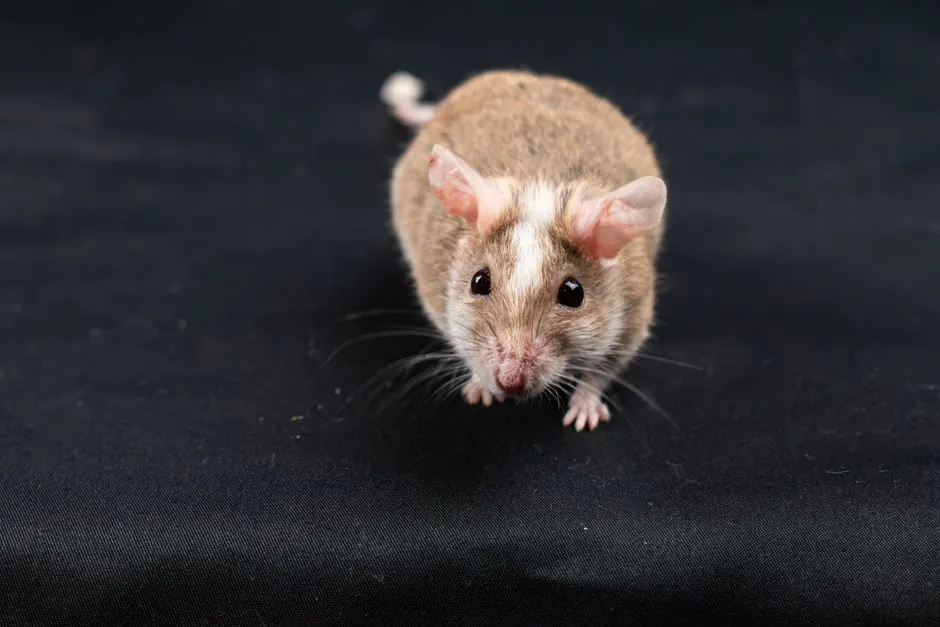 Mice ControlWhole-home mice control pairs with wall work by covering the kitchen, attic and crawl space at the same time. If mice are in your walls, they are usually in one of those spaces too, and treating all of them together prevents the problem from shifting rooms.Explore →
 Rodent ControlRodent control covers rats and voles as well as mice. Lima properties near creeks and older alleys often have more than one species active, so we identify the animal before we set anything. Wrong bait for the wrong rodent wastes your money.Explore →
 Mouse ExterminationMouse extermination is the removal phase of wall work, using snap traps, bait stations and rodenticide where code allows. We handle the disposal and the cleanup so you never touch a trap. It is the fastest way to end an active infestation.Explore →
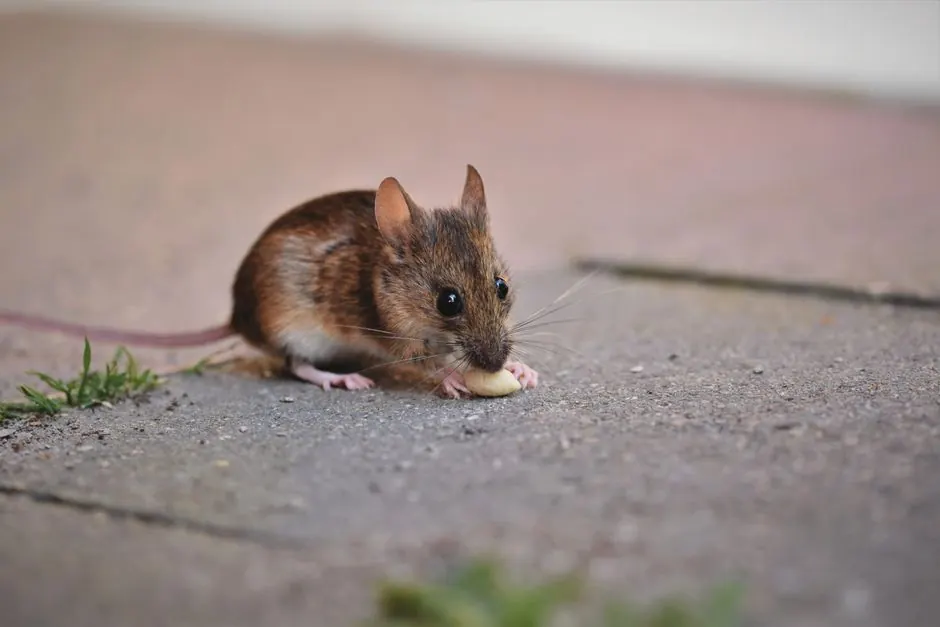 Mice RemovalGeneral mice removal handles the visible activity in kitchens and basements. Wall mice removal goes further by opening the cavity. If you have tried store-bought traps and the noise continues, the colony is likely inside the wall, not on the floor.Explore →
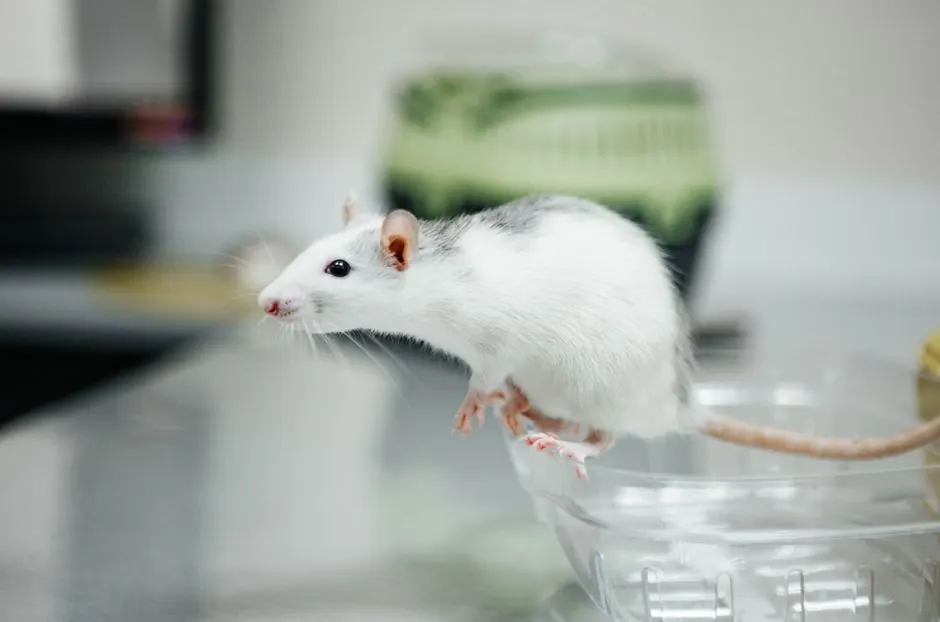 Rodent InspectionA rodent inspection is the 30 to 45 minute walkthrough that starts every wall job. We use inspection mirrors, flashlights and a UV blacklight to find droppings, rub marks and entry points. You get a written summary of what we found and what it will take to fix.Explore →
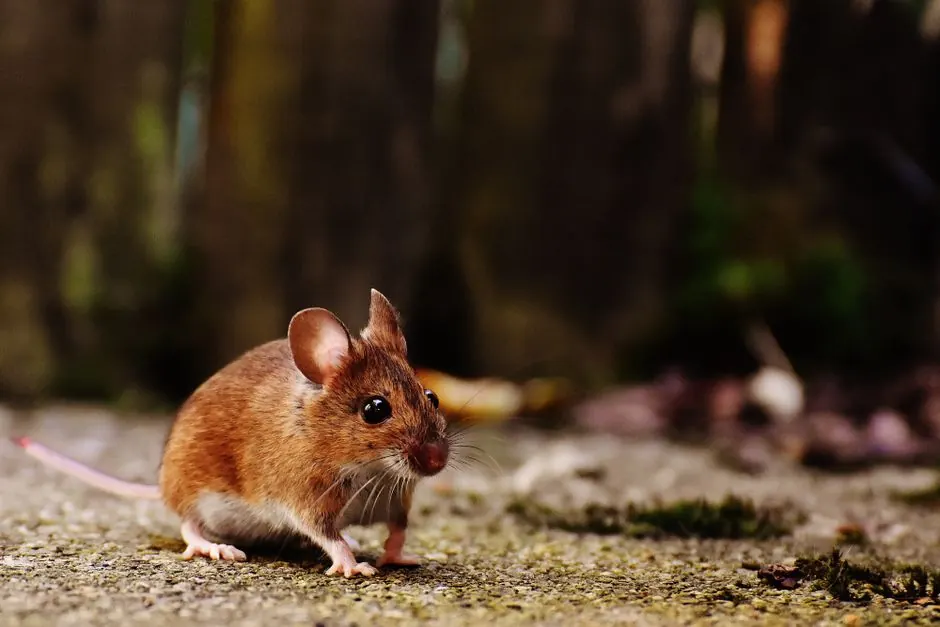 Mice ExclusionMice exclusion is the sealing work that keeps them out for good. We pack gaps with copper mesh and steel wool, then secure them with caulk and expanding foam. This is the single most important step for preventing a recurring mice infestation in Lima.Explore →
 Rodent ProofingRodent proofing extends exclusion to the whole building envelope, including vents, soffits and utility penetrations. For Lima homes with balloon-frame walls, proofing the basement and attic cuts off the vertical run mice use to travel between floors.Explore →
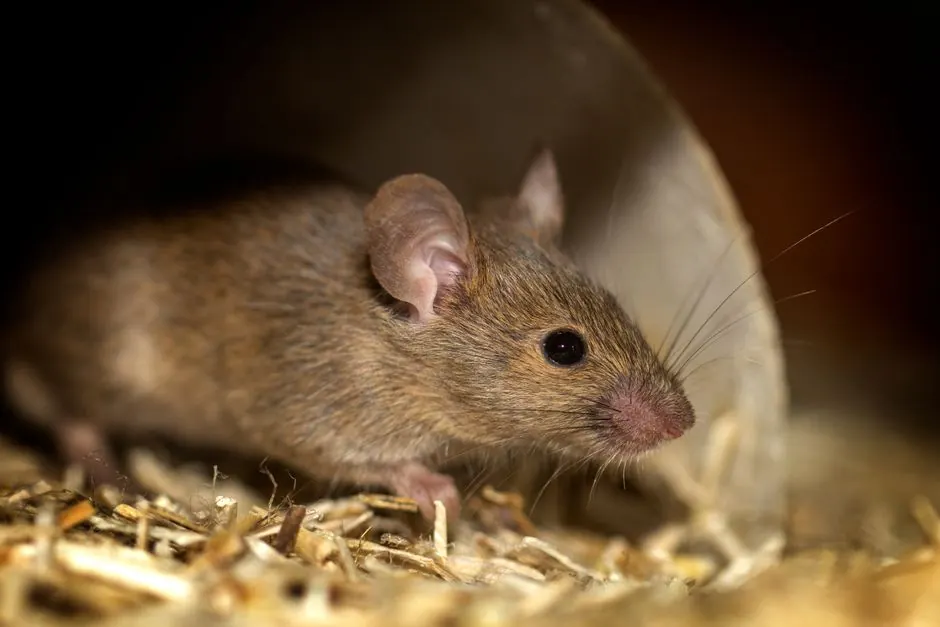 Attic Mice RemovalAttic mice removal handles the upper end of a wall infestation. Mice often nest in attic insulation where it is warm and undisturbed. We remove them, replace soiled batts, and seal the attic-to-wall gaps that let them drop down into living spaces.Explore →
Every day you wait, the colony grows and the damage gets more expensive. We are licensed, insured and ready to inspect your walls today. Call now and get a straight answer on price and timing.
Book an Inspection +14192636172 →Reach us at +14192636172 and we will book a same-day window if you call before noon. Our phone lines stay open 24/7 for emergency calls from restaurants and homes. We serve Lima, Allen County and the surrounding ZIP codes, and we answer with a real person, not a call center.