Scratching inside walls at night
We locate the entry at the top plate or sill, remove the animal, and seal the gap with copper mesh and sealant. The bay stops being a route, and the scratching stops within a few days.
Rodent Exclusion Services Lima OH means closing the gaps mice actually use, not just setting traps and hoping. We inspect attics, crawl spaces, kitchens, and foundations across Allen County, then seal entry points with copper mesh, hardware cloth, and sealant built to last. If you have heard scratching in the walls or found droppings under the sink, we can stop the next mouse before it gets in.
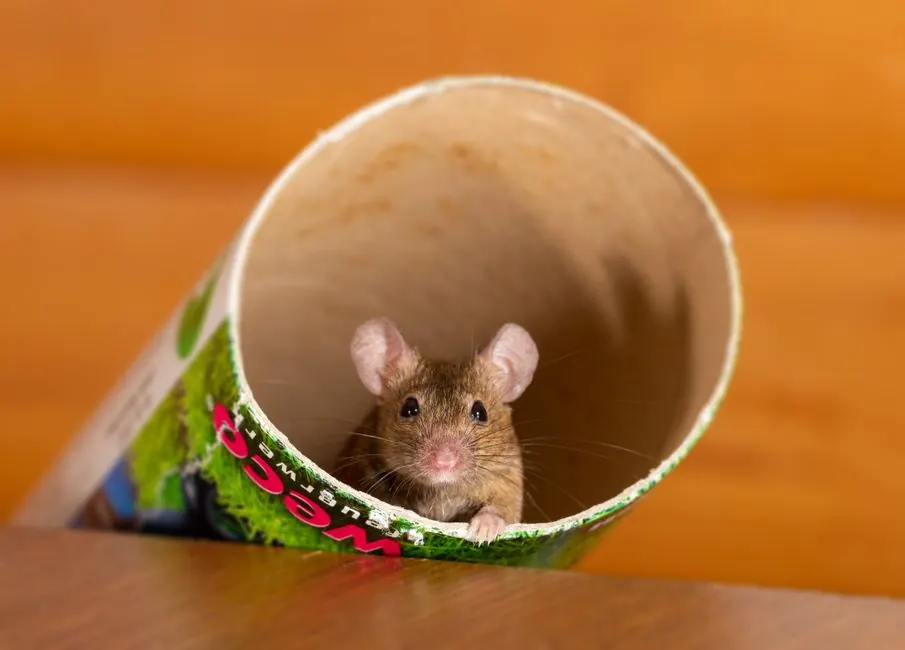
Rodent Exclusion Services Lima OH is a structural sealing service that closes the gaps, cracks, and voids mice use to enter a home or business. It is needed the moment you find droppings, hear scratching in a wall, or spot a mouse in the kitchen. Mice fit through a gap the width of a pencil, so the work is precise: we inspect the full exterior and interior perimeter, then seal each opening with materials rodents cannot chew through.
Lima homes deal with mice year-round, but the pressure spikes in fall when field rodents move toward warmth. Older housing stock near the Cercado and along the Ottawa River corridor has plenty of foundation gaps, worn sill plates, and unsealed utility penetrations. If you have been searching for Rodent Exclusion Services near me Lima OH, the fix is not more traps. It is closing the building envelope so the next mouse has nowhere to enter.
Every exclusion job includes the inspection, the sealing work, cleanup of what we find, and a follow-up verification visit. Insulation replacement and full attic decontamination are quoted as add-ons when the damage is heavy. You approve the full scope and price before we start.
We check the foundation line, sill plates, vents, utility penetrations, attic, and crawl space with flashlights and inspection mirrors. You get a written list of every opening we find, ranked by how likely a mouse is to use it.
Copper mesh, steel wool, hardware cloth, and exterior-grade sealant go into every gap. We match the material to the opening so the seal holds through Lima's freeze-thaw cycles instead of failing by spring.
Mouse droppings, nesting material, and dead rodents found during the job are removed and the surfaces treated with EPA-registered products. We follow OSHA Safety Compliance on every confined-space entry.
We return 10 to 14 days after sealing to check the work, confirm no new activity, and re-inspect the high-risk zones. If a mouse found a gap we missed, we close it at no extra charge during the warranty period.
The exclusion work carries a written warranty printed on your invoice. If a mouse gets through a point we sealed during the warranty window, we come back and fix it. No fine print games.
We walk the exterior and interior with flashlights and inspection mirrors, checking the foundation line, sill plates, vents, utility penetrations, attic, and crawl space. Most Lima homes take 45 to 90 minutes to inspect properly. You get a written list of every opening we find.
Not every gap matters equally. We rank each opening by how likely a mouse is to use it, then build the seal plan around the high-traffic routes. This is where a rodent exclusion company Lima Ohio earns its keep: knowing which gaps to seal first and which can wait.
We seal with copper mesh, steel wool, hardware cloth, and exterior-grade caulk or expanding foam depending on the gap. Pipe penetrations get wrapped. Vents get screened. Foundation gaps get packed and capped. A typical single-family home takes three to six hours of sealing work.
Droppings, nesting material, and contaminated insulation come out. We treat affected surfaces and remove dead rodents when we find them. If the attic insulation is heavily soiled, we can replace it as an add-on so the space is clean and the odor is gone.
We return after 10 to 14 days to check the seals, confirm no new activity, and re-inspect the high-risk zones. If a mouse found a gap we missed, we close it at no extra charge during the warranty period. That is the part most homeowners never get from a trap-only service.
Purpose-built equipment, used by trained technicians — so the job is done accurately the first time.
Packed into foundation gaps, sill plate openings, and pipe penetrations. Mice cannot chew through copper or steel the way they chew through foam or plastic.
Screened over vents, gable openings, and larger gaps. Galvanized hardware cloth holds up to weather and to rodent teeth, and it is the standard for crawl space and attic vent work.
Used on every inspection to see behind appliances, into rim joists, and along the top plate where mice travel. You cannot seal what you cannot see.
Locates urine trails and dead rodent carcasses in attics and walls. The glow pattern shows us the runs mice actually use, which tells us where to focus the sealing work.
Seals small cracks and finishes the edges around mesh and hardware cloth. We use exterior-grade product so the seal holds through Lima's freeze-thaw cycles.
Victor and JT Eaton snap traps plus Catchmaster glue boards for removing mice already inside. Placed where pets and kids cannot reach, checked on a schedule.
Bell Laboratories and JT Eaton stations for exterior perimeter control. Used as a supplement to exclusion, never as a replacement for sealing the building.
Homeowner had trapped six mice over four months and kept finding droppings under the sink. Traps caught animals but new ones kept appearing, which pointed to an open entry point behind the cabinets.
We found four gaps at the sill plate and pipe penetrations, sealed them with copper mesh and sealant, and cleaned the droppings. No new activity at the 14-day follow-up or since.
A dead mouse in the attic wall produced odor for three weeks. The homeowner could not locate it and had started avoiding the upstairs bedroom because of the smell.
We located the carcass with a UV blacklight, removed it, treated the area, and sealed the gable vent where the mouse entered. Odor cleared within four days.
A health inspection flagged rodent activity in the back storage room. The owner needed documented exclusion and bait station records before the re-inspection window closed.
We sealed the foundation gaps, installed tamper-resistant bait stations, and provided service records. The re-inspection passed with no rodent findings.
Most calls start with a sound, a smell, or a dropping. Here is what those signals usually mean and how we handle them.
Ask a pro →We locate the entry at the top plate or sill, remove the animal, and seal the gap with copper mesh and sealant. The bay stops being a route, and the scratching stops within a few days.
We pull the appliances, find the gap at the sill plate or pipe penetration, seal it, and treat the surfaces. Kitchen mice control is as much about the seal as the trap.
We use UV blacklight and inspection mirrors to locate the carcass, remove it, and treat the area. Then we seal the entry point so the odor problem does not repeat next season.
We seal the building envelope so the fall migration has nowhere to enter. Most Lima homes see no new activity after the follow-up check, even through the next winter.
$450 - $1,800 depending on scope, with the average Lima single-family job near $850
Typical 2026 pricing in this area runs $450 to $1,800 for a single-family home, with the average job landing near $850. The price depends on how many entry points we find, how accessible the attic and crawl space are, and whether contaminated insulation needs replacing. Small jobs with three or four gaps can come in under $500. You get the full scope and price in writing before any sealing begins, and the exclusion work carries a written warranty.
Exclusion is a one-time fix, not a monthly trap visit. Most homeowners who compare the cost of a year of trap service against a single warrantied exclusion job find the exclusion pays for itself, especially once insulation damage is factored in.
A home with three or four gaps costs less than one with fifteen. The inspection tells us the count, and the count drives the labor and materials. We rank each opening by how likely a mouse is to use it.
Tight crawl spaces and low-pitch attics take longer to work in safely. Confined-space entry follows OSHA Safety Compliance, which adds time but protects the technician and the job.
Soiled or tunneled insulation needs removal and replacement, which is quoted as an add-on. If the batts are clean, we leave them and the price stays lower.
Copper mesh, steel wool, and hardware cloth cost more than caulk alone, but they are the materials that hold. We match the material to the opening rather than using one product everywhere.
“We had mice in the kitchen for months and kept setting traps. These guys found four gaps behind the cabinets and at the sill plate, sealed them with copper mesh, and cleaned up the droppings. No scratching since. The follow-up visit two weeks later was the part that sold me.”
Marisol R.Homeowner, Cercado de Lima
✓ Verified“Dead mouse smell in the attic wall for weeks. They located it with a blacklight, removed it, and sealed the gable vent where it got in. Price was fair and they did not try to upsell me on insulation I did not need. Straight answers the whole way.”
David K.Homeowner, San Martín de Porres
✓ Verified“Health inspection was coming and we had rodent activity in the back storage room. They sealed the foundation gaps, set tamper-resistant bait stations, and gave us the service records the inspector wanted. Passed with no rodent findings.”
Elena V.Restaurant Owner, Miraflores
✓ VerifiedMost Lima exclusion jobs run $450 to $1,800, with the average single-family home landing near $850. Price depends on how many entry points we find, how accessible the attic and crawl space are, and whether contaminated insulation needs replacing. Small jobs with three or four gaps can come in under $500. You get the full scope and price in writing before any sealing begins.
A full exterior and interior inspection, a written list of entry points, sealing with copper mesh, steel wool, hardware cloth, and exterior-grade sealant, plus a 10 to 14 day follow-up check. Droppings cleanup and dead rodent removal are included when found during the job. Insulation replacement and full attic sanitation are add-ons we quote separately if the damage is heavy.
Yes. Our exclusion seals carry a written warranty, and if a mouse gets through a point we sealed during the warranty window, we return and fix it at no charge. We do not warranty against every possible gap in the structure, only the work we performed. The warranty terms are printed on your invoice so there is no confusion later.
A typical single-family home takes three to six hours of on-site sealing work, plus a 45 to 90 minute inspection. Larger homes, heavy crawl space work, or insulation replacement can push it to a full day. We schedule the follow-up check 10 to 14 days out, and that visit usually takes 20 to 30 minutes.
 Mice ControlExclusion is the permanent half of mice control. We seal the building first, then handle any mice still inside with snap traps and bait stations so the population does not rebound after the gaps are closed.Explore →
 Rodent ControlRodent control covers the full strategy: inspection, trapping, baiting, exclusion, and sanitation. For Lima properties with rats as well as mice, we scale the exclusion materials up to hardware cloth and heavier mesh.Explore →
 Mouse ExterminationWhen mice are already inside, extermination removes them before we seal. We use snap traps, glue boards, and bait stations placed where pets and kids cannot reach, then follow with exclusion so the next mouse has no way in.Explore →
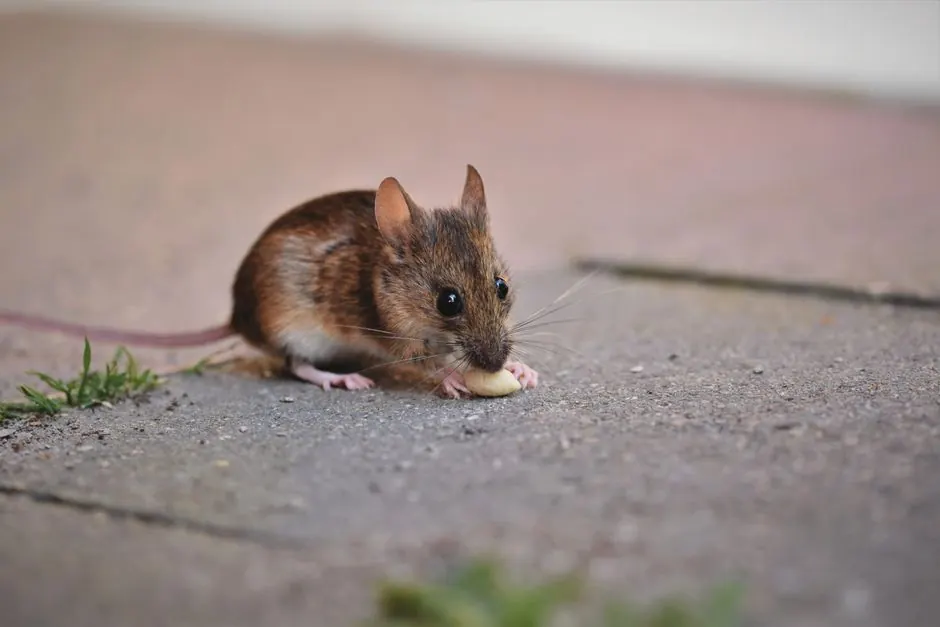 Mice RemovalMice removal handles the live animals in attics, walls, and kitchens. We locate the runs, remove the mice, and then seal the entry points so removal is not a recurring monthly appointment.Explore →
 Rodent InspectionEvery exclusion job starts with a rodent inspection. We check the foundation line, sill plates, vents, utility penetrations, attic, and crawl space with flashlights and inspection mirrors, then map every opening worth sealing.Explore →
 Mice ExclusionMice exclusion is the sealing work itself: copper mesh, steel wool, hardware cloth, and exterior-grade sealant applied to every gap a mouse can squeeze through. It is the same service as exclusion, named for the animal.Explore →
 Rodent ProofingRodent proofing is the synonym for exclusion. We proof the building envelope so mice cannot enter, then verify the seals on a follow-up visit. Most Lima homes need three to six hours of proofing work.Explore →
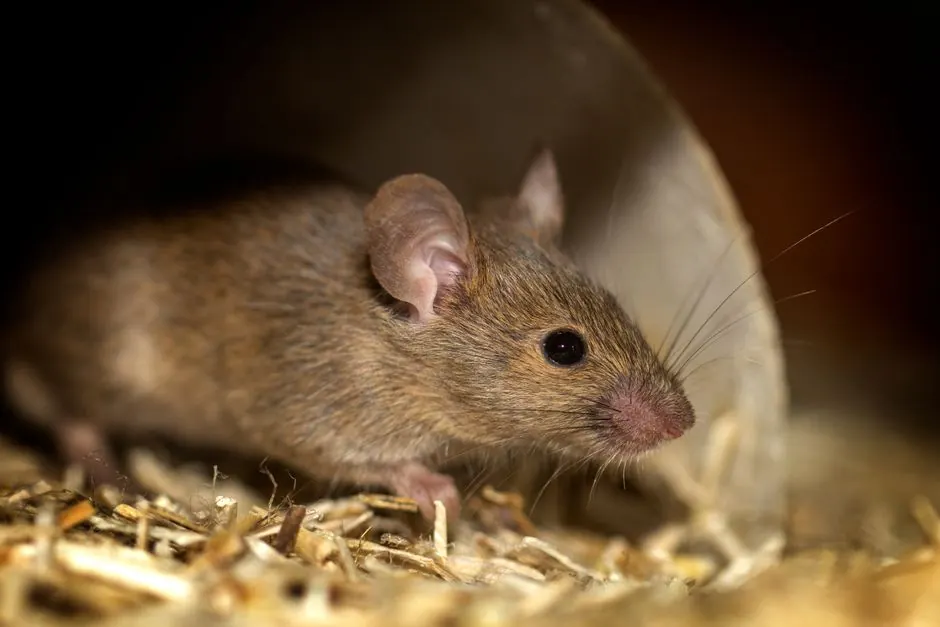 Attic Mice RemovalAttics are the most common entry zone in Lima. We remove mice, pull soiled insulation when needed, seal the roof line and gable vents, and treat the space so the odor does not linger into the living area.Explore →
Licensed, insured, and warrantied exclusion work from a State Licensed Pest Control Operator. Call +14192636172 and we will schedule your inspection, usually the same day. You get a written scope and price before any sealing starts.
Schedule Inspection +14192636172 →Reach us at +14192636172 and we will book a same-day window if you call before noon. Our phone lines stay open 24/7 for emergency calls from restaurants and homes. We serve Lima, Allen County and the surrounding ZIP codes, and we answer with a real person, not a call center.