Municipalidad de Ate
A central orientation point for Ate Centro. It helps our technicians locate the surrounding administrative and commercial blocks quickly when a caller gives a street name without a clear cross street.
Mice Control in Ate means finding where rodents are actually getting in, not just setting a few traps and hoping. Our technicians work Ate Centro, Vitarte, Salamanca, Huaycán and Santa Clara every week, sealing entry points with copper mesh and hardware cloth, clearing droppings, and restoring insulation mice have shredded. We handle homes, restaurants and warehouses from ZIP 15012 through 15014.
Demand in Ate splits roughly three ways: family homes in Salamanca and Santa Clara, restaurants and shops around the Vitarte commercial strip, and warehouses near the industrial zones. Each needs a different approach, so we do not run one generic package. If you need affordable Mice Control in Ate OH without cutting corners on exclusion, we scope the job to your building and quote it before we start.
 Mice ControlFull-service mice control for Ate homes and businesses: inspection, trapping, baiting where appropriate, exclusion and sanitation in one visit sequence. We work Ate Centro, Vitarte and Huaycán, and we seal the structure before we close the ticket so the next generation of mice has nowhere to enter.View details →
 Rodent ControlRodent control in Ate covers mice, rats and voles, because the same gaps serve all three. Around the industrial zones and the Carretera Central corridors we see roof rats alongside house mice. We identify the species first, then choose traps, bait stations and exclusion materials that match its behavior.View details →
 Mouse ExterminationMouse extermination in Ate is targeted removal of an active population, not a fog-and-leave job. We place snap traps and glue boards along known runways, check them on a fixed schedule, and remove carcasses the same day. Most Ate homes are clear of activity within two to three weeks.View details →
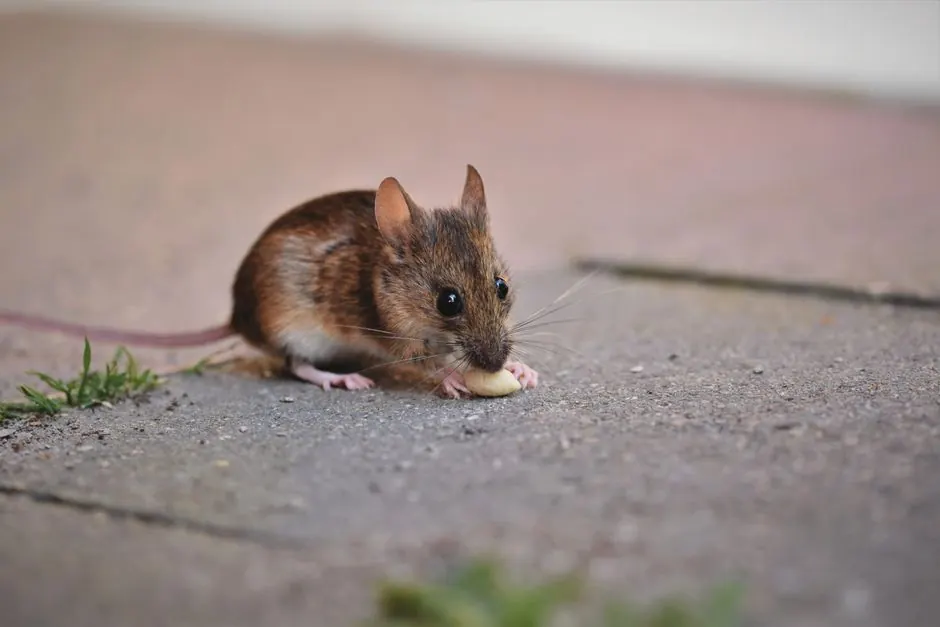 Mice RemovalMice removal for Ate properties means pulling mice out of kitchens, attics, wall voids and crawl spaces, then disposing of them properly. We use live catch traps where a customer prefers them and snap traps where speed matters. Every removal visit ends with a droppings check so you know the space is clean.View details →
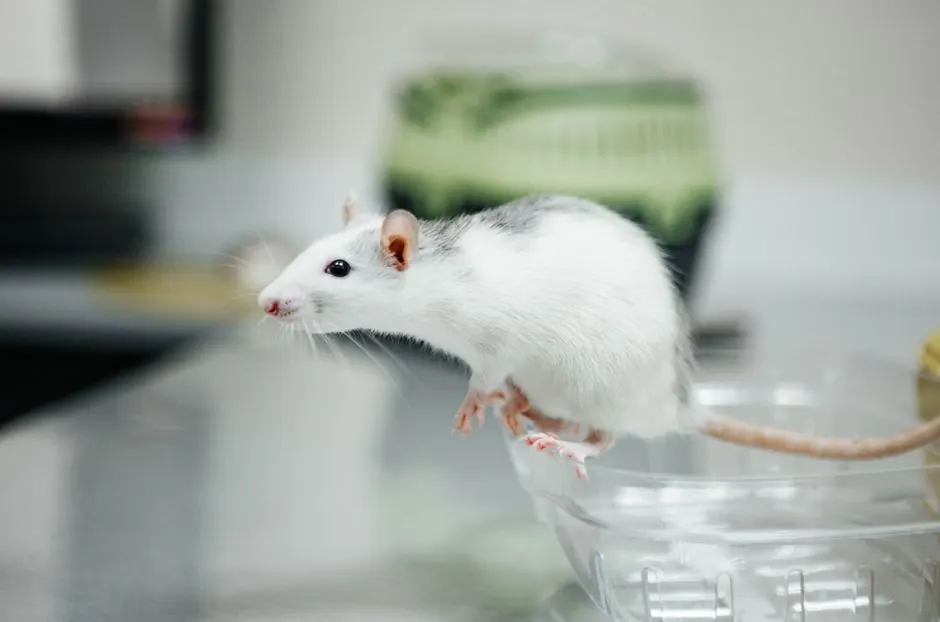 Rodent InspectionA rodent inspection in Ate takes 45 to 90 minutes depending on building size. We use flashlights, inspection mirrors and a UV blacklight to trace urine trails and grease rub marks along baseboards, pipe chases and attic joists. You get a written map of entry points and activity zones before any treatment starts.View details →
 Mice ExclusionMice exclusion is the part most Ate homeowners skip, and it is the reason infestations come back. We seal gaps wider than a quarter inch with copper mesh, steel wool, hardware cloth and silicone sealant. On hillside properties in Huaycán, where foundations shift, we use expanding foam behind the mesh to hold the seal.View details →
 Rodent ProofingRodent proofing hardens an Ate building against future entry: door sweeps, vent screens, pipe collars and foundation patching. We work through restaurants near Mall Aventura Santa Anita and family homes in Salamanca with the same checklist. A properly proofed structure cuts repeat callouts dramatically.View details →
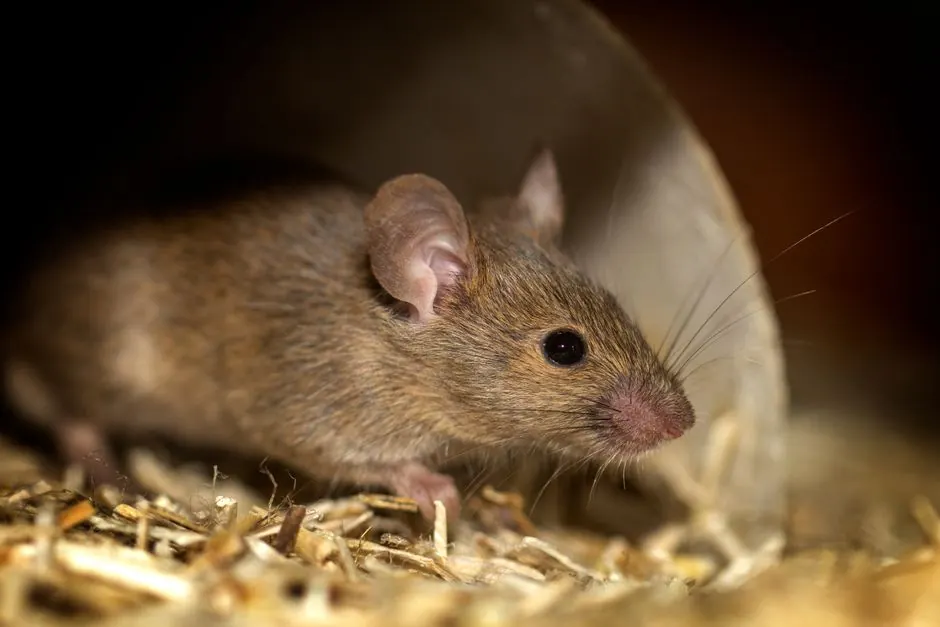 Attic Mice RemovalAttic mice removal in Ate is common in older homes where roof tiles and eaves leave gaps. Mice nest in insulation, shred it for bedding, and leave droppings you will smell before you see. We remove the population, pull contaminated insulation where needed, and screen the vents and eaves.View details →
 Crawl Space Mice ControlCrawl space mice control matters in Ate because so many homes sit on raised foundations. Damp soil under the floor draws rodents, and once they are in, the odor travels straight up into living areas. We trap, decontaminate and then seal the foundation vents with hardware cloth.View details →
 Wall Mice RemovalWall mice removal in Ate means locating the void a mouse is using, not guessing. We read scratching sounds, use inspection mirrors in outlet boxes, and set traps at the base of the cavity. Once the mice are out, we seal the top and bottom openings so the wall stays quiet.View details →
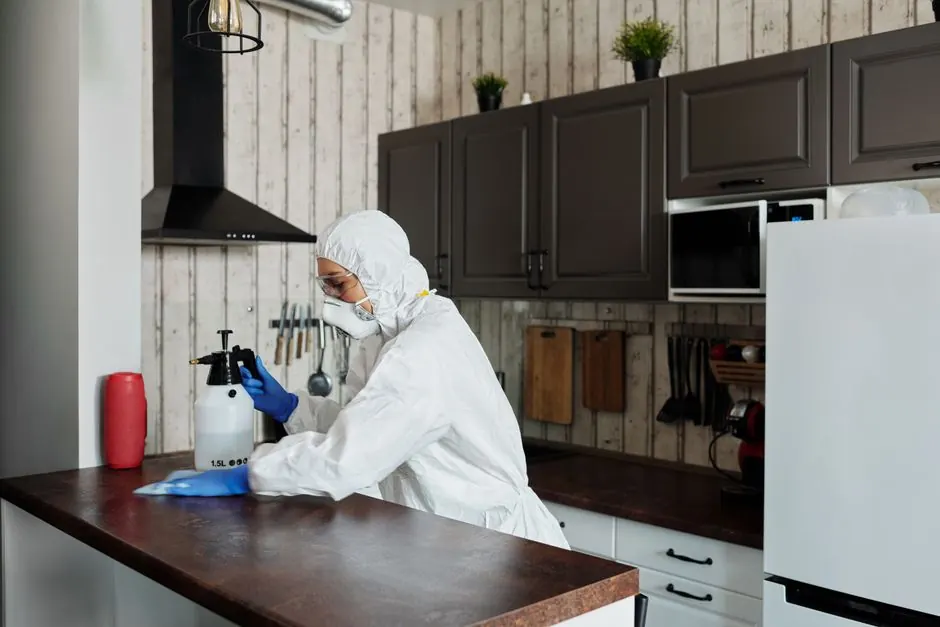 Kitchen Mice ControlKitchen mice control in Ate restaurants and homes starts with the food source. We pull appliances out, check behind the stove and dishwasher, and seal the pipe penetrations mice use to move between units. Bait stations go in tamper-resistant housings so children and pets are not exposed.View details →
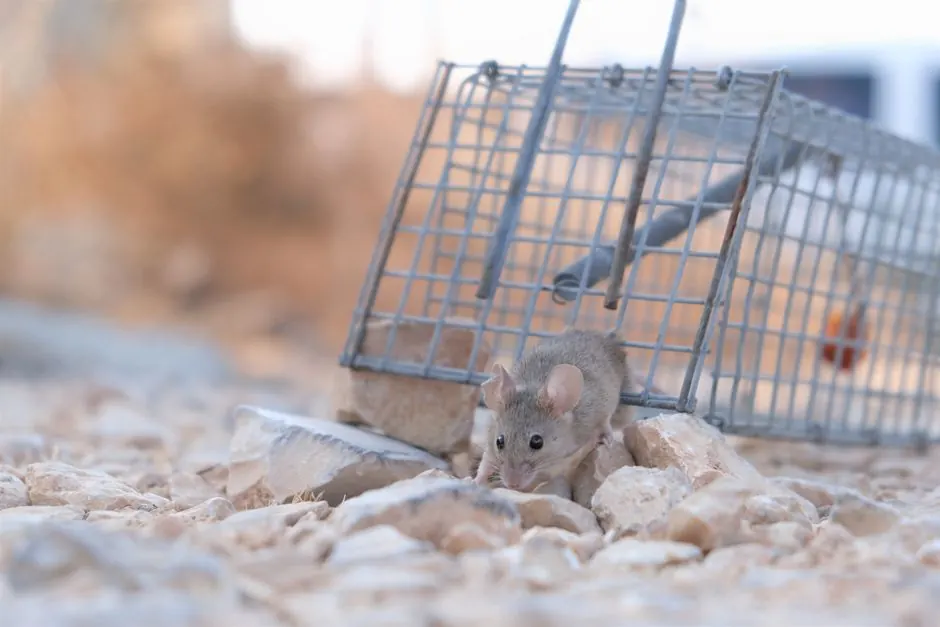 Commercial Mice ControlCommercial mice control for Ate covers restaurants, markets, warehouses and offices. We work after hours so your service is not interrupted, and we document every visit for health inspections. Bait stations are numbered and mapped so your staff can see exactly what was checked.View details →
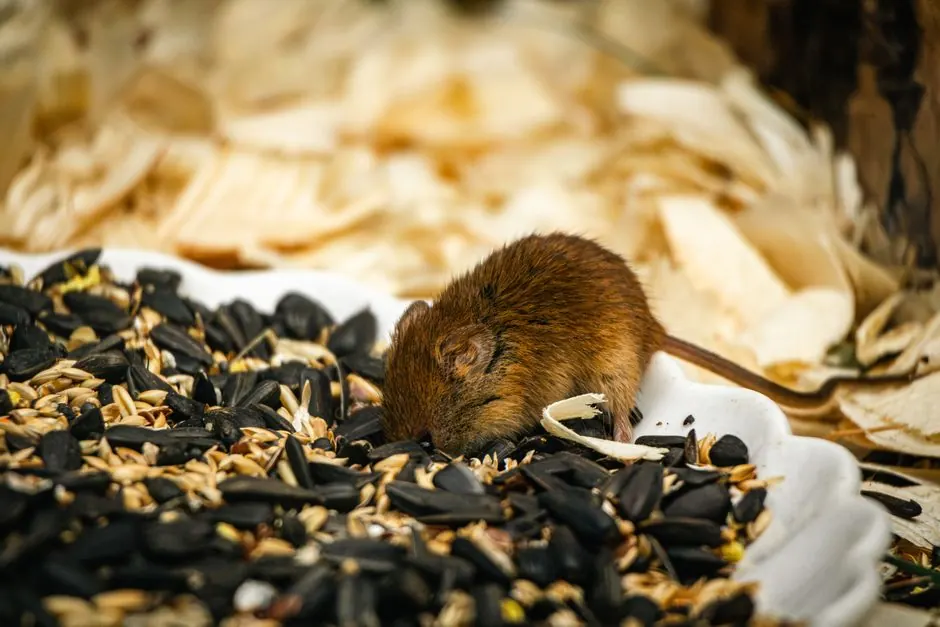 Residential Mice ControlResidential mice control in Ate is built around your family's schedule. We trap and seal in one or two visits, keep rodenticide out of reach of children and pets, and clean up droppings with proper disinfection rather than a broom and a bin bag. You get a written summary of what we sealed.View details →
 Emergency Mice RemovalEmergency mice removal in Ate runs 24/7 for the calls that cannot wait: mice in a restaurant kitchen before opening, a dead rodent smell in a bedroom, or droppings found in a nursery. We dispatch the nearest route technician and give you a realistic arrival window on the phone.View details →
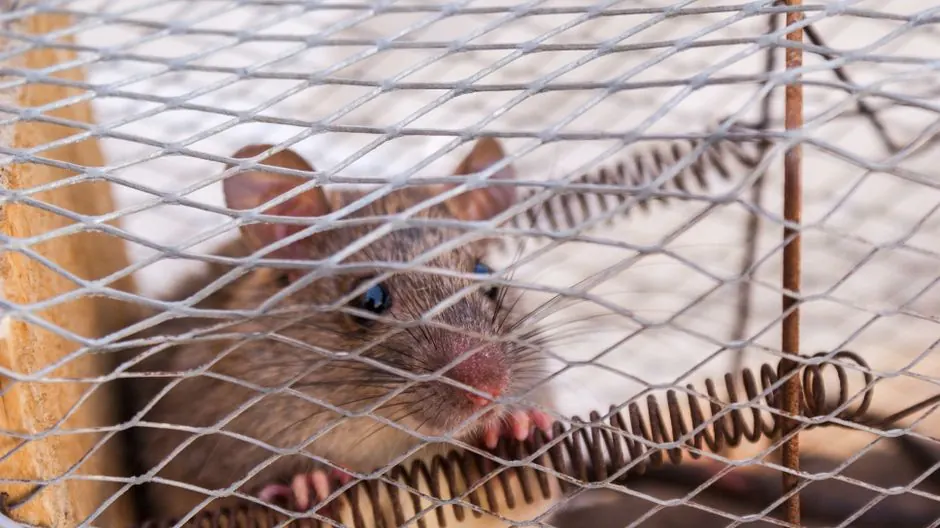 Mice TrappingMice trapping in Ate uses Victor and Catchmaster snap traps set along walls and runways, plus live catch traps where you prefer them. We check traps on a fixed schedule, because an unchecked trap is just a smell waiting to happen. Trap placement is mapped so we can prove what worked.View details →
 Mice BaitingMice baiting in Ate is done with tamper-resistant bait stations and labeled bait blocks, never loose pellets in a kitchen. We use Bell Laboratories and JT Eaton stations anchored to the floor or wall. Baiting is a supplement to exclusion, not a replacement for it.View details →
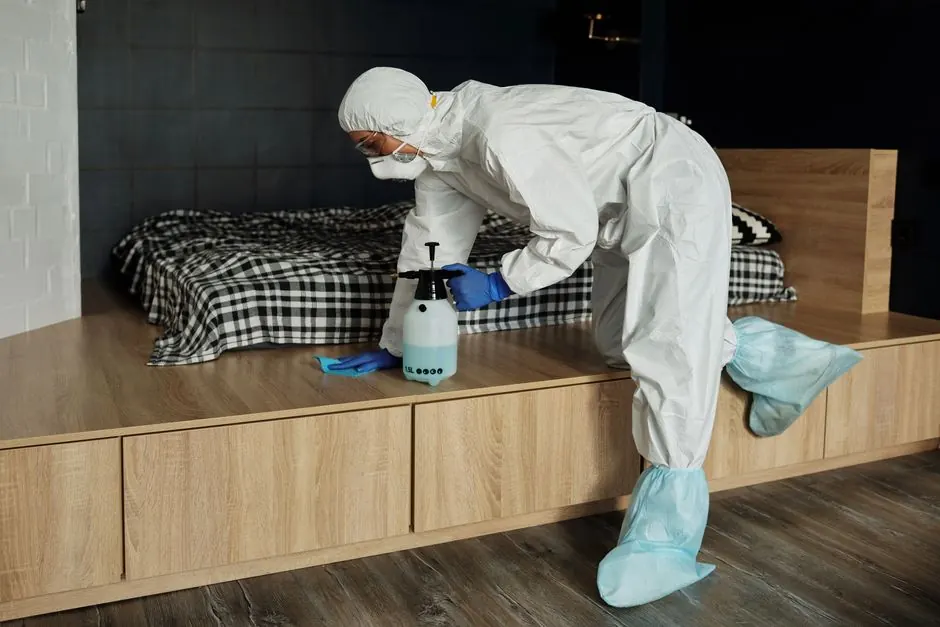 Rodent SanitationRodent sanitation in Ate removes the mess mice leave behind: droppings, urine-soaked insulation, nesting material and the bacteria that come with them. We treat surfaces with EPA-registered disinfectant and bag everything for proper disposal. This is the step that actually removes the health risk.View details →
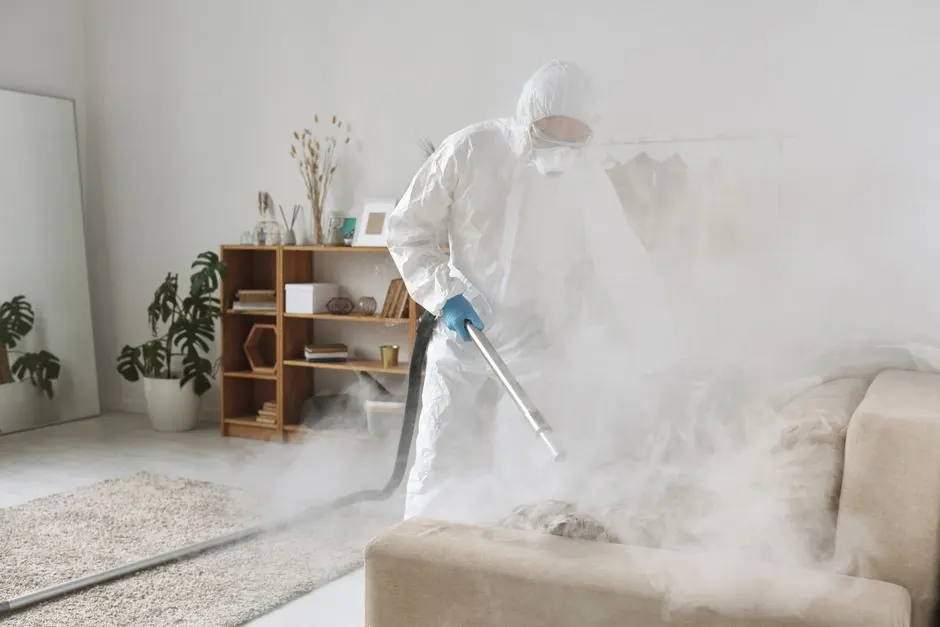 Rodent DecontaminationRodent decontamination goes deeper than surface cleaning. In Ate homes with heavy attic or crawl space activity, we remove contaminated insulation, fog the void with disinfectant, and verify with a UV blacklight that urine trails are gone. It is the difference between a clean-looking room and a clean room.View details →
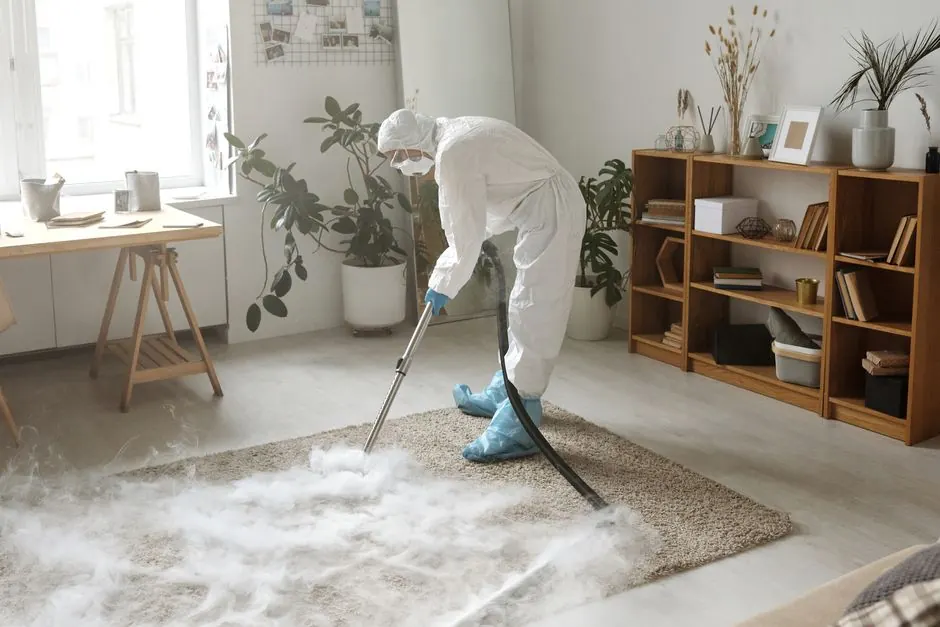 Odor RemovalOdor removal in Ate targets the dead mouse smell that lingers in walls and attics. We locate the carcass, remove it, treat the void, and where insulation is saturated we replace it. Most odor complaints in Ate Centro and Vitarte resolve within one or two treatments.View details →
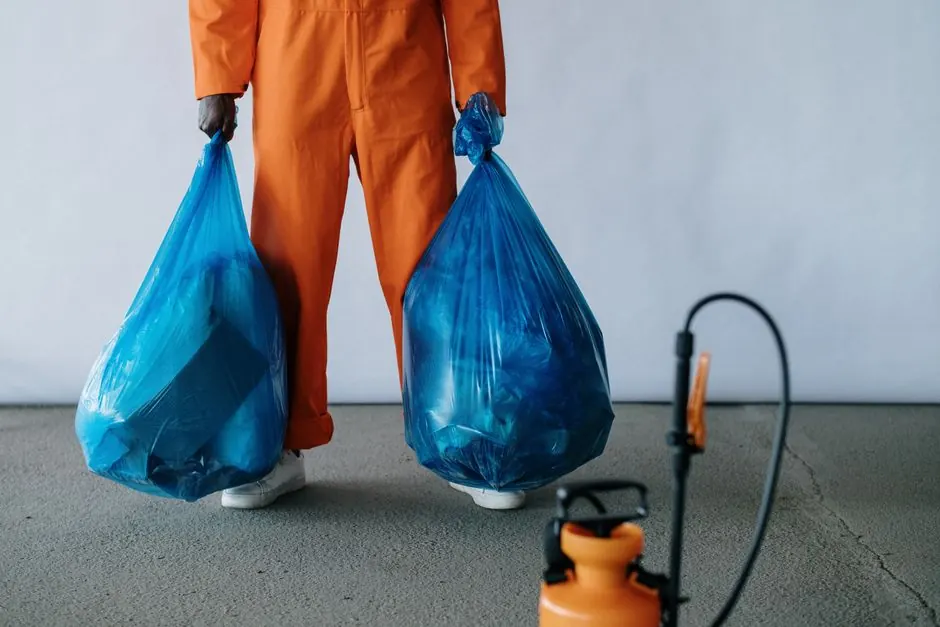 Dead Rodent RemovalDead rodent removal in Ate is often a same-day call, because the smell does not wait. We find the carcass with inspection mirrors and flashlights, remove it in a sealed bag, and disinfect the surrounding surface. If it died in a wall void, we open the smallest access point needed.View details →
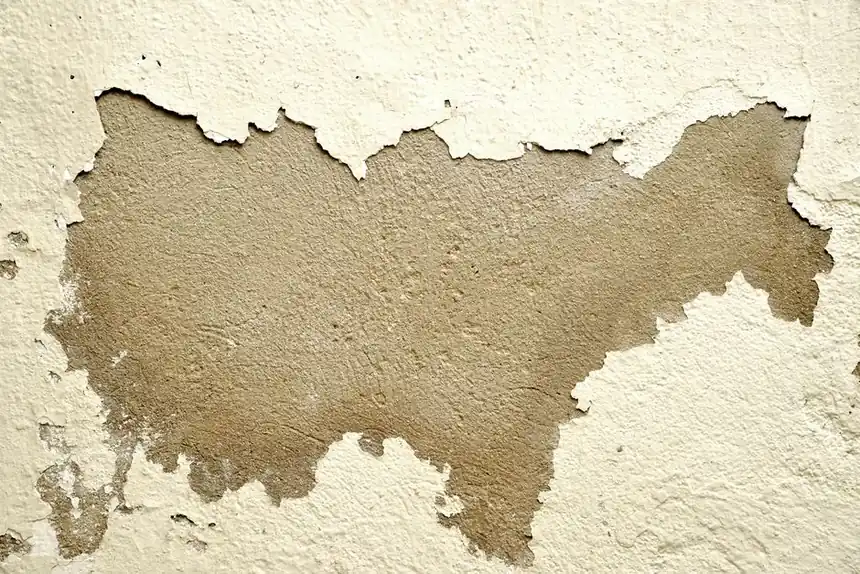 Rodent Damage RepairRodent damage repair in Ate fixes what mice chewed: insulation, drywall, wood trim and wiring insulation. We patch with wood filler and drywall compound, replace damaged sections, and note any wiring that needs an electrician. Repair work is quoted separately from the removal.View details →
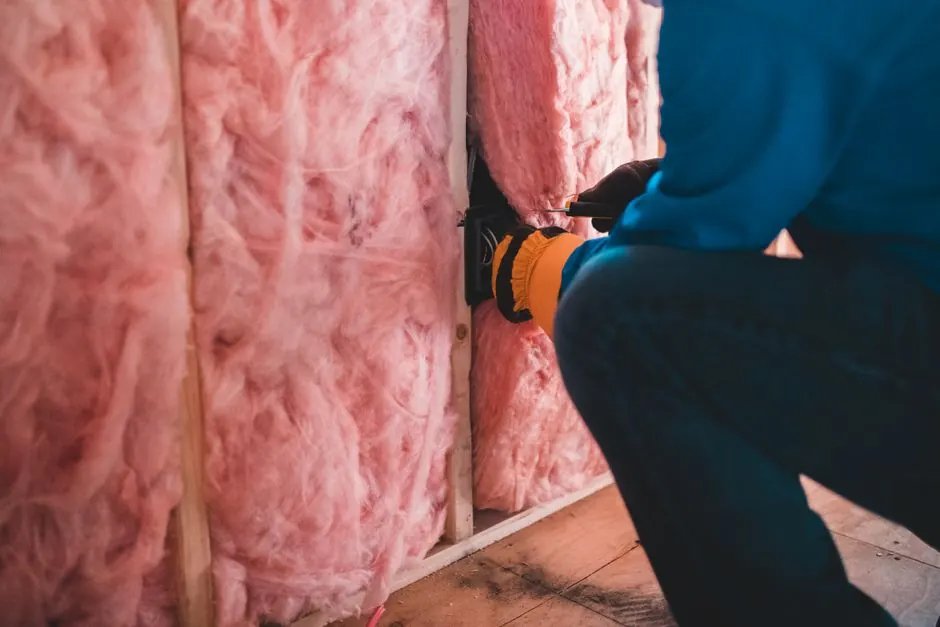 Insulation ReplacementInsulation replacement in Ate is needed when mice have nested in attic or crawl space batts. Shredded, urine-soaked insulation cannot be cleaned and keeps attracting rodents. We remove it, decontaminate the void, and install fresh insulation so the space stops smelling and stops inviting mice.View details →
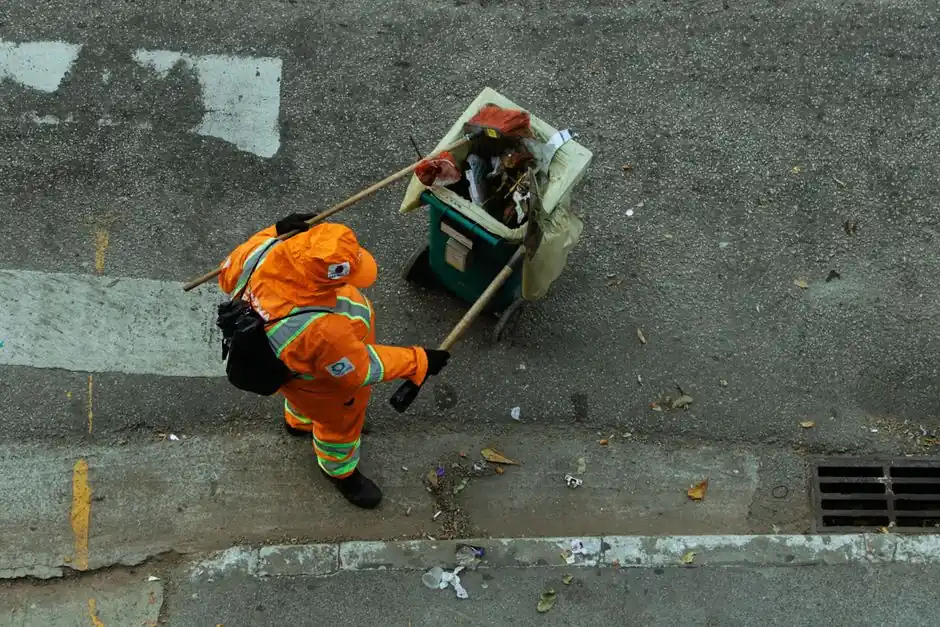 Droppings CleanupDroppings cleanup in Ate is done with gloves, HEPA filtration and EPA-registered disinfectant, never a shop vacuum. Mouse droppings carry real health risks, and dry sweeping puts dust in the air. We bag the waste, disinfect the surface, and tell you what to watch for afterward.View details →
 Mice PreventionMice prevention in Ate is a seasonal service, not a one-off. We re-check seals before the fall push, refresh bait stations, and inspect the same entry points we mapped on the first visit. Customers on a prevention plan rarely see a second infestation.View details →
 Rodent Exclusion ServicesRodent exclusion services in Ate cover the full building envelope: foundation gaps, roof lines, utility penetrations, vents and doors. We use copper mesh, steel wool, hardware cloth, caulk and expanding foam as the gap requires. Every seal is documented with a photo so you can see the work.View details →
 Wildlife RemovalWildlife removal in Ate handles the larger animals that use the same entry points as mice, including opossums and occasional raccoons around the hillside areas. We remove the animal humanely and then seal the access so it does not become a mouse highway next season.View details →
 Squirrel RemovalSquirrel removal in Ate is common in Salamanca and Santa Clara, where mature trees meet rooflines. Squirrels chew fascia and roof vents, opening gaps mice then use. We remove the squirrels, repair the damage, and screen the openings with hardware cloth.View details →
 Rat ControlRat control in Ate focuses on the industrial zones and the commercial strips where roof rats travel along utility lines. Rats need a bigger opening than mice and leave larger droppings. We use heavier bait stations and rat-sized snap traps, then seal the entry points properly.View details →
 Vole ControlVole control in Ate targets the outdoor population that moves in from yards and green edges when the weather turns. Voles damage roots and landscaping and occasionally push indoors. We treat the perimeter and seal the ground-level gaps they use to get inside.View details →
 Mice Control for RestaurantsMice control for restaurants in Ate is built around inspection readiness. We service kitchens before opening hours, number and map every bait station, and keep documentation your health inspector can review. Kitchens near Mall Aventura Santa Anita and the Vitarte market run on this schedule.View details →
Every Ate job starts the same way: a technician walks the building with a flashlight and inspection mirror, maps droppings, rub marks and entry points, and tells you what we found before we quote. From there we set snap
Mice move between a residence and the shop next door through shared pipe chases and party walls, so treating one unit alone rarely holds. Activity returns within weeks if the neighboring structure stays open.
How we help: We inspect both sides of a shared wall where access allows, seal the penetrations inside your unit completely, and document the gaps we cannot reach so your neighbor or landlord can act on them. That stops the traffic at your boundary.
Ground movement opens new cracks at the foundation line and around utility entries every season, which is exactly the gap size a mouse needs. Seals that were tight last year can be open by spring.
How we help: We use expanding foam behind copper mesh on hillside properties so the seal flexes with minor movement instead of cracking out. We also re-inspect foundation lines on every prevention visit rather than assuming last year's work still holds.
Restaurant and market density near Mall Aventura Santa Anita and the Vitarte strip keeps a food source available year round, so rodent pressure never fully drops the way it does in purely residential districts.
How we help: We put tamper-resistant bait stations on the exterior perimeter, not just inside, and service them on a fixed schedule. Exterior control reduces how many mice ever reach the building envelope in the first place.
Scratching sounds in walls at night
Droppings along kitchen baseboards
Grease rub marks on pipes and joists
Dead mouse odor in a wall or room
Shredded insulation in the attic
Typical 2026 pricing for Mice Control in Ate runs from about $120 to $350 for a standard residential job, depending on how many visits the population needs and how much exclusion work is involved. Attic or crawl space jobs with contaminated insulation sit higher, usually $400 to $900, because removal, decontamination and replacement are separate steps. Commercial kitchens and warehouses are quoted per site after inspection, since square footage and inspection documentation change the scope. We give you the number before we start, and we do not add trip charges inside ZIP 15012, 15013 or 15014. If you want the best Mice Control Ate OH has on a fixed price, ask for the written quote at inspection.
We run Ate calls seven days a week, with commercial kitchen slots before opening hours and residential appointments through the day. Emergency mice removal is available 24/7 for the calls that cannot wait, including dead rodent odor and droppings found in food areas. If you are in Huaycán or the hillside streets, we may give you a slightly wider arrival window because of access, but the job still gets done the same day in most cases.
A single-room kitchen problem needs fewer traps and fewer visits than a population spread across attic, walls and crawl space. More activity means more trap checks, and that is the main driver of cost in Ate homes.
Sealing a few pipe penetrations is quick. Sealing a full building envelope with roof vents, foundation gaps and utility entries takes longer and uses more copper mesh and hardware cloth, which shows up in the quote.
When mice have nested in attic or crawl space insulation, the material has to come out and be replaced. That is a separate scope from trapping, and it is the reason heavy attic jobs in Ate cost more than a kitchen call.
Ate is a big district, and street addresses alone do not always get a truck to the right door. Our technicians orient by landmarks: Municipalidad de Ate for the central blocks, Hospital de Vitarte for the dense market streets, Mall Aventura Santa Anita for the western commercial edge, and Parque Zonal Huaycán for the hillside neighborhoods. Universidad Nacional de Educación gives us a reliable reference point for the surrounding residential streets. Knowing these anchors means we arrive without burning twenty minutes circling, which matters when you are waiting on an emergency call.
A central orientation point for Ate Centro. It helps our technicians locate the surrounding administrative and commercial blocks quickly when a caller gives a street name without a clear cross street.
A fixed reference for the dense Vitarte streets, where addresses can be ambiguous. We use it to confirm we are on the right side of the market corridor before we park and walk in.
Marks the western commercial edge of the district near the Santa Anita boundary. Useful for routing to nearby retail and restaurant properties along the main avenues.
A reliable anchor for the hillside neighborhoods, where street layouts are less grid-like. It helps us plan the approach and parking before climbing into the upper streets.
These are our most frequently served ZIP codes. Nearby areas may also qualify—call if you do not see yours.
Ate Centro · Vitarte · Salamanca · Huaycán
“We had mice in the kitchen for weeks and two other companies just left bait and never came back. This team pulled the stove out, found the gap behind it, and sealed it the same visit. Droppings were gone in about ten days. They also cleaned properly instead of sweeping it around.”
Rosa M.Ate Centro
Verified“Called about a dead mouse smell in the wall of our bedroom. They came out the same afternoon, found it with a mirror through an outlet box, and removed it. The smell was gone in two days. Fair price and they explained what they were doing the whole time.”
Carlos V.Vitarte
Verified“Our attic had mice nesting in the insulation and it smelled terrible. They removed the old insulation, treated the space, and put in new material. It took a couple of visits but the scratching stopped and the house smells normal again. Worth the cost.”
Elena R.Salamanca
VerifiedA real dispatcher is available if your question is not answered here.
Call +14192636172 →Most Ate residential jobs run $120 to $350, and attic or crawl space work with contaminated insulation runs $400 to $900. Commercial kitchens are quoted per site after inspection. We give you the number before we start, and there are no trip charges inside ZIP 15012, 15013 or 15014.
The company that seals your building, not just traps the mice inside it. Ask whether they are licensed to apply rodenticide in Ohio, whether they do exclusion work, and whether they clean up droppings. We do all three, and our exclusion carries a 12-month warranty.
Yes. We run 24/7 emergency calls for dead rodent odor, droppings in food areas, and mice in a commercial kitchen before opening. Call and we will dispatch the nearest route technician and give you a realistic arrival window based on where you are in the district.
Find the entry point, remove the population, seal the structure, and clean the mess. In Ate's mixed housing that usually means sealing shared-wall penetrations with copper mesh and silicone, trapping along the runways, and replacing any insulation the mice have nested in. Most homes are clear in two to three weeks.
Yes. We service Ate restaurant kitchens before opening hours, number and map every bait station, and keep documentation your health inspector can review. Kitchens near Mall Aventura Santa Anita and the Vitarte market strip run on a monthly service schedule with us.
One pair of mice can turn into a full attic infestation in a single season. Call Ohio Mouse Removal Experts at +14192636172 for a same-day inspection, a flat written price, and exclusion work that keeps them out.
Tell us what you are seeing and where you are located. Our team will call to confirm the right appointment type and timing.